

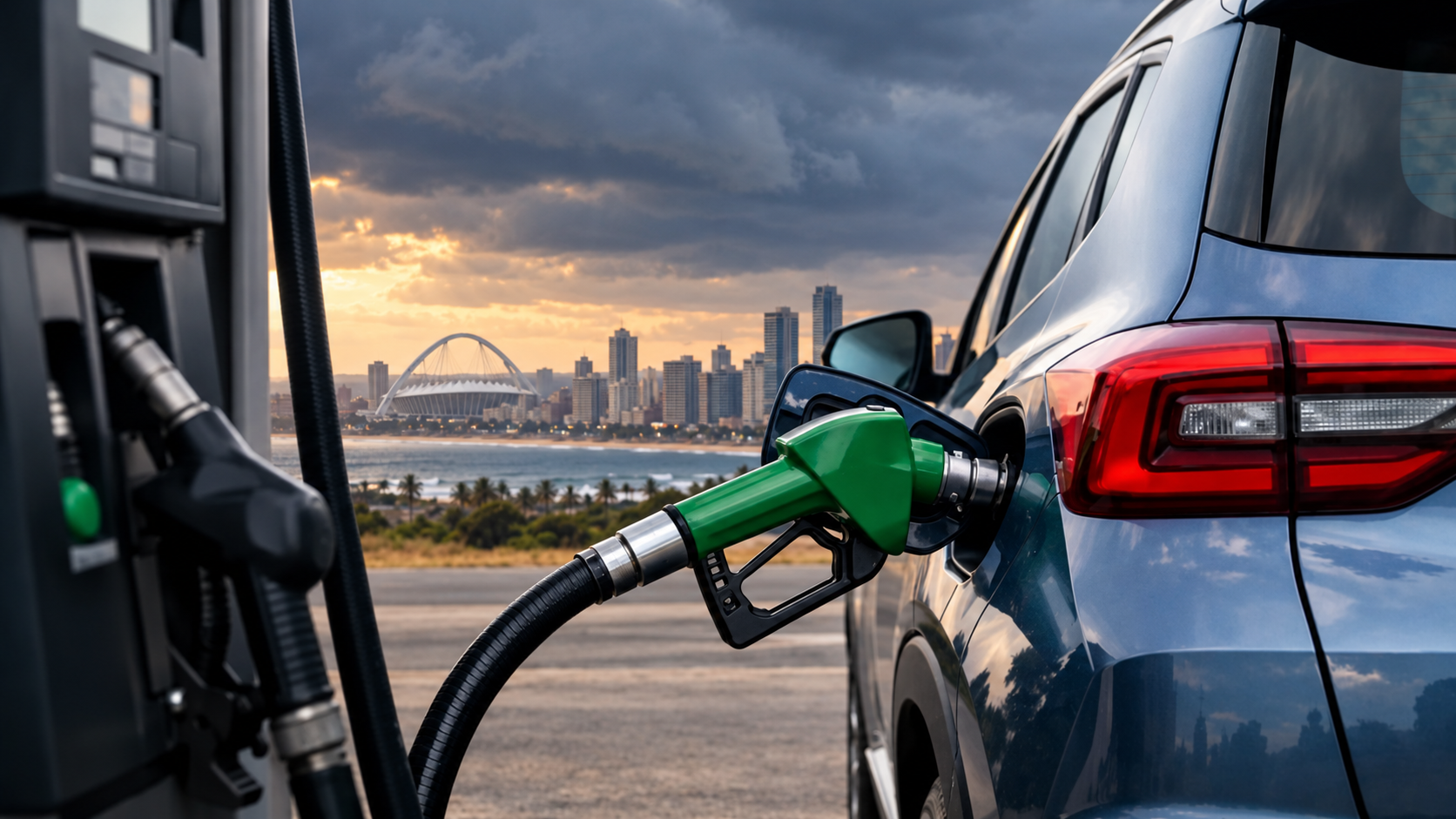
South African motorists are paying nearly 40% more for petrol than they did just 12 months ago. If history is anything to go by, the next decade could be even more expensive. But what if the solution isn’t at the petrol pump — it’s on your rooftop?
The Problem: Our Fuel Bills Are Spiralling Out of Control
Remember when R500 could comfortably fill a significant portion of your petrol tank? Those days are disappearing fast.
In October 2025, inland 95-octane petrol cost R21.63 per litre. Fast-forward to October 2026, and motorists are paying R30.25 per litre.
That’s an extraordinary 39.9% increase in just 12 months.
For a motorist filling a 50-litre tank, the cost has jumped from R1,081.50 to R1,512.50 — an additional R431 per fill-up.
And this isn’t simply another bad year.
Ten years ago, in October 2016, that same litre of petrol cost approximately R12.60. Today’s price represents a staggering 140% increase over the decade.
While prices have fluctuated, the long-term direction is unmistakable: South Africans are spending substantially more to stay mobile.
What Happens If This Continues for Another 10 Years?
Here’s where things become particularly concerning.
Between October 2016 and October 2026, inland petrol prices increased at a compound annual rate of approximately 9.2%.
If that historical rate were repeated over the next decade, petrol could reach approximately R72.60 per litre by 2036.
That’s not an official prediction. It’s a projection illustrating what continued price growth could mean.
Consider three possible scenarios:
| Annual increase | Petrol price in 2036 |
|---|---|
| 5% | R49.28/L |
| 9% | R71.62/L |
| 12% | R93.98/L |
Even the moderate scenario would put a 50-litre tank at almost R2,500.
Of course, prices could also fall. Global oil markets, exchange rates, government levies and geopolitical events make long-term fuel forecasting highly uncertain.
But here’s the uncomfortable reality: South African motorists have little control over any of these factors.
Higher petrol prices don’t just hurt drivers. They increase transport costs, push up food prices, squeeze business profits and reduce disposable income.
Every extra rand spent at the pump is money that could have gone towards education, savings, investments or growing a business.
So, are we destined to remain at the mercy of international oil markets?
Not necessarily.
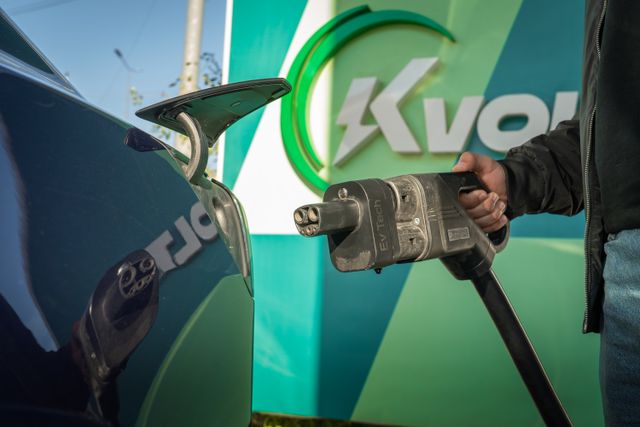
The Solution: Electric Cars Could Change Everything
Imagine driving to work every morning without worrying about the next petrol-price announcement.
That’s the promise of electric vehicles (EVs).
Unlike conventional vehicles, EVs run on electricity, opening the door to significantly lower running costs.
Consider a typical petrol vehicle consuming 7 litres per 100 kilometres. At R30.25 per litre, that’s approximately R212 for every 100 km travelled.
Now compare an EV consuming 17 kWh per 100 kilometres. At an illustrative residential electricity tariff of R3 per kWh, that journey costs approximately R51.
That’s nearly 76% less in energy costs.
EVs also offer several important advantages:
- Lower running costs: Electricity can be considerably cheaper than petrol.
- Reduced maintenance: Fewer moving parts mean less routine engine-related maintenance.
- Cleaner communities: No exhaust emissions while driving.
- Greater energy flexibility: Charge at home, at work or at public charging stations.
Admittedly, EVs still face challenges in South Africa, including higher upfront purchase prices, uneven charging infrastructure and electricity costs.
But there’s a powerful way to address part of that challenge.
What if you could generate your own electricity to power your car?
Solar Power: Your Rooftop Could Become Your Next Filling Station
This is where solar energy transforms the conversation.
By combining an electric vehicle with a properly designed home solar system, South Africans can reduce their reliance on both petrol stations and grid-supplied electricity.
Imagine arriving home knowing that the electricity generated by your rooftop solar panels can help power your household and charge your vehicle.
No queues at petrol stations. Less exposure to volatile fuel prices. Greater control over your household’s long-term energy costs.
Solar installations can offer:
- Reduced monthly electricity purchases.
- Protection against some future electricity tariff increases.
- The potential to charge an EV using renewable energy.
- Improved backup power capability when paired with suitable batteries.
- Long-term value for homes and businesses.
Solar electricity isn’t completely free — installation, maintenance, battery storage and financing all have costs. However, a well-designed system can deliver meaningful savings over its operating life.
And importantly, you don’t need to own an electric vehicle today to start benefiting from solar power.
Installing solar now can reduce household electricity expenses while preparing your property for a future where electric mobility becomes more accessible.
Helping South Africans Take Control of Their Energy Future
At GreenGrid energy installers, we believe that the future belongs to households and businesses that take greater control of how they consume and generate energy.
As a South African technology and solar solutions company, we’re committed to helping our clients embrace practical innovations that reduce operating costs and support a more sustainable future.
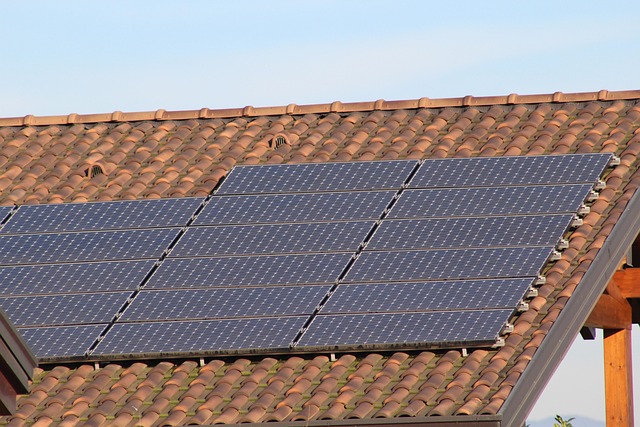
Our solar installation solutions can help homeowners and businesses make the transition towards greater energy independence.
Whether you’re looking to reduce your electricity bill, invest in solar and battery storage, or prepare your property for future EV charging, the journey begins with understanding your energy needs.
You cannot control tomorrow’s petrol price. But you can start taking control of tomorrow’s energy bill.
Ready to Make the Switch?
Don’t wait until petrol reaches R40, R50 or even R70 per litre before considering your energy future.
Contact GreenGrid energy installers today for a solar installation consultation and personalised quotation.
Let us help you explore a smarter, more sustainable way to power your home, your business and eventually your vehicle.
GreenGrid energy installers — Powering Smarter Living. Driving a Sustainable Future.
The future of energy is changing. Make sure you’re ready for it.